
Smuggler of Worlds
It is a starless November night in 1885. A dense, freezing fog hovers over the Šešupė River, on the border between East Prussia and the Russian Empire. Lying motionless in the bushes is a man in his thirties, dressed in a worn, rustic wool coat. His name is Jurgis Bielinis. Tied to his back is a massive, coarse burlap sack. It contains no tobacco, no expensive alcohol, and no gold. The sack is heavy because it is filled with the scent of fresh printing ink and paper-one hundred Lithuanian primers and prayer books.
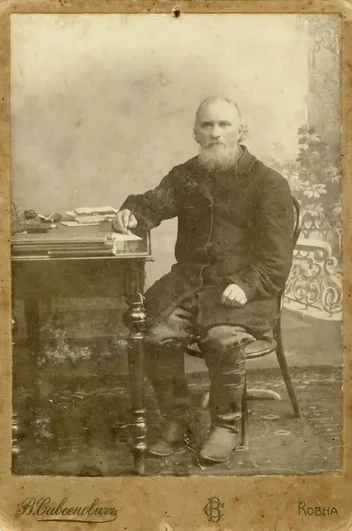
Jurgis hears the rhythmic, heavy thud of a Tsarist soldier’s iron-shod boots. One false move, one breath drawn too loudly, and he faces a bullet on the spot or a march of many years in chains to Siberia. To the empire, Jurgis is a criminal of the worst kind-a man smuggling the free word. To his fellow countrymen, he is a „Book Smuggler” (Knygnešys).
As the patrol passes his hiding place, Jurgis springs up and moves silently forward, deep into the Lithuanian forests. Over the coming days, he will move from village to village, from cottage to cottage, distributing these paper sparks. In a few weeks, inside a soot-stained village hut by the light of a wooden splinter, a mother will open a primer smuggled by him and whisper to her child, teaching them to read: „A, B, C…” in their native tongue. The empire of Muravyov „The Hangman” spent millions of rubles on gendarmes, prisons, and censorship to erase Lithuania from the map of the world. Yet, the Tsar lost to a peasant who could run through the forest at night with a sack of books on his back.