
Knygnešiai – „The Book Smugglers” or „The Book Bearers”
The Genesis of Darkness: The Tsarist Ukase
Following the bloody suppression of the January Rising (1863), the Tsarist Governor-General Mikhail Muravyov (dubbed „The Hangman” by both Lithuanians and Poles) resolved to obliterate Lithuanian identity at its very root. In 1864, a total ban was imposed on printing in the Lithuanian language using the Latin alphabet.
All books, primers, and prayer books were to be printed exclusively in Cyrillic (the so-called Grazhdanka). Lithuanian schools were shut down, and the mere possession of a book in the native language carried immense fines, imprisonment, and most frequently-exile to Siberian penal colonies and hard labour (katorga). The Tsar believed that without books, the nation would vanish and become completely Russified within a single generation.
The Birth of the Underground: How the Network Operated
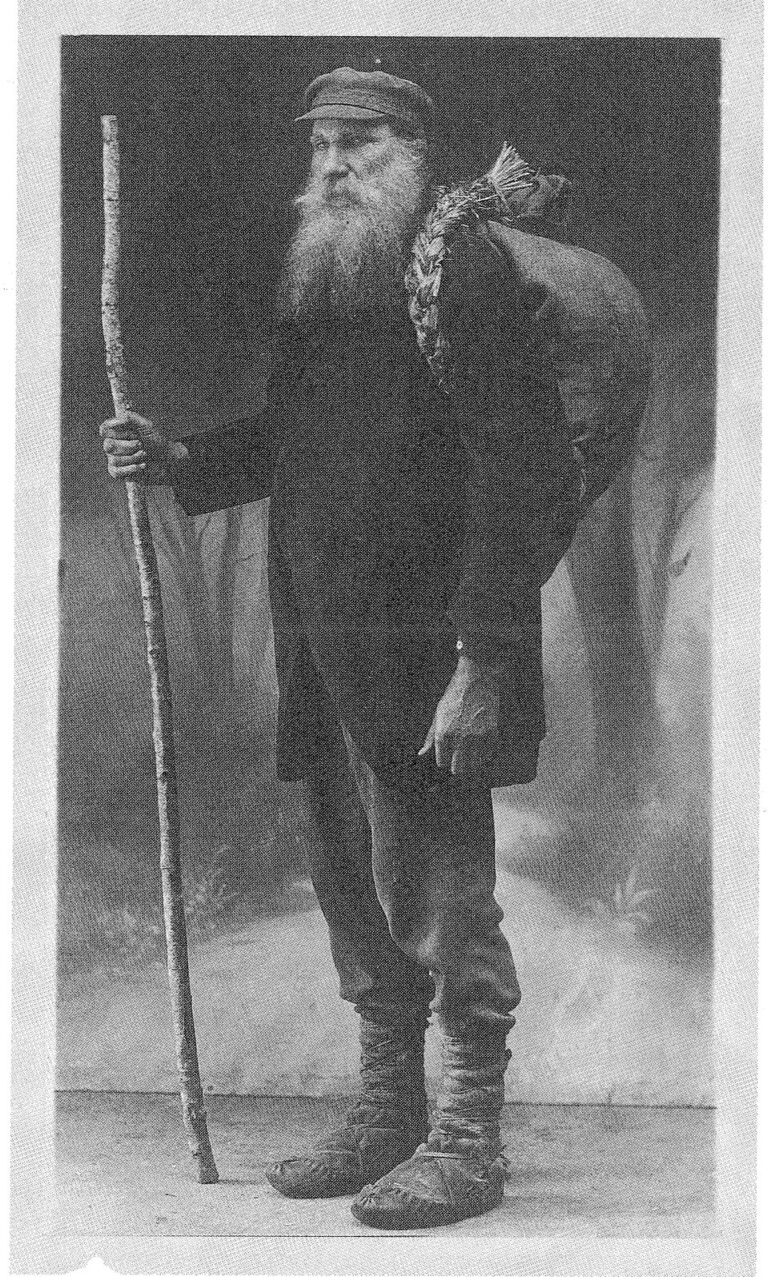
Vincentas Juška
The Lithuanian nation responded with absolute, silent resistance. Since printing on Lithuanian soil was impossible, the heart of the Lithuanian written word migrated to East Prussia (Little Lithuania), primarily to the towns of Tilsit (Tylża) and Ragnit (Ragneta). There, just beyond the borders of the empire, thousands of Lithuanian books, newspapers, and Bibles were legally printed.
It was then that the Knygnešiai stepped onto the stage. They were peasants, students, priests, and workers who crossed the heavily guarded Tsarist border under the cover of night, risking their lives with sacks full of forbidden primers strapped to their backs.
Scale and Organisation: Secret societies emerged (the most famous being the Society of Saint Casimir), which funded the printing and organised the smuggling routes. Books were hidden inside the false bottoms of carts, in barrels of cabbage, and even within coffins during staged funerals.
Secret Schools (Daržneliai): The smuggled books found their way into rural cottages. There, beside soot-stained stoves, Lithuanian mothers secretly taught their children to read from their native primers, knowing full well that any knock at the door could mean a gendarme raid.
The King of Smugglers: Jurgis Bielinis
The movement possessed its own legendary commanders. The greatest among them was Jurgis Bielinis (known as the King of the Knygnešiai). For 31 years, he continuously eluded the Tsarist police. A massive bounty was placed on his head; he was wounded and detained multiple times, yet he managed to escape every single time. He built a powerful distribution network that blanketed the entirety of northern Lithuania. He famously declared: „As long as I live, I shall not rest, and there will be no Cyrillic on our land.”
The Statistics of Resistance
The Tsarist authorities were ruthless. According to surviving documents, during those 40 years, gendarmes intercepted and burned over one million copies of Lithuanian publications. Thousands of Knygnešiai were thrown into prisons or exiled to Siberia.
Despite this, the Tsarist system lost to the sheer determination of human hearts. By the end of the 19th century, the illiteracy rate in Lithuania was… significantly lower than in Russia itself. The book smugglers saturated the country with the written word to such an extent that in 1904, the Tsar was forced to officially lift the ban, admitting absolute defeat.